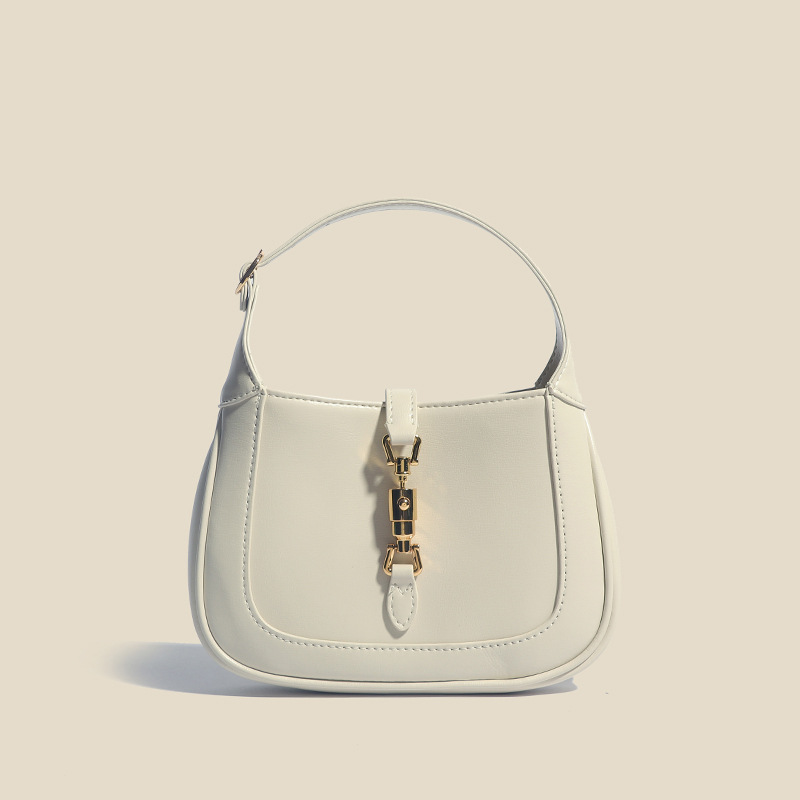
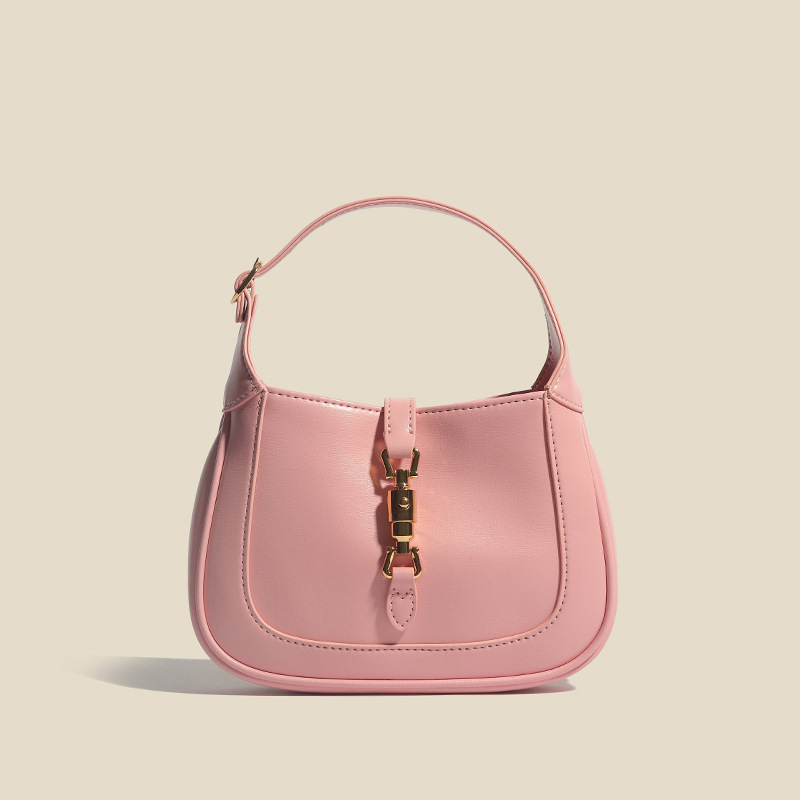
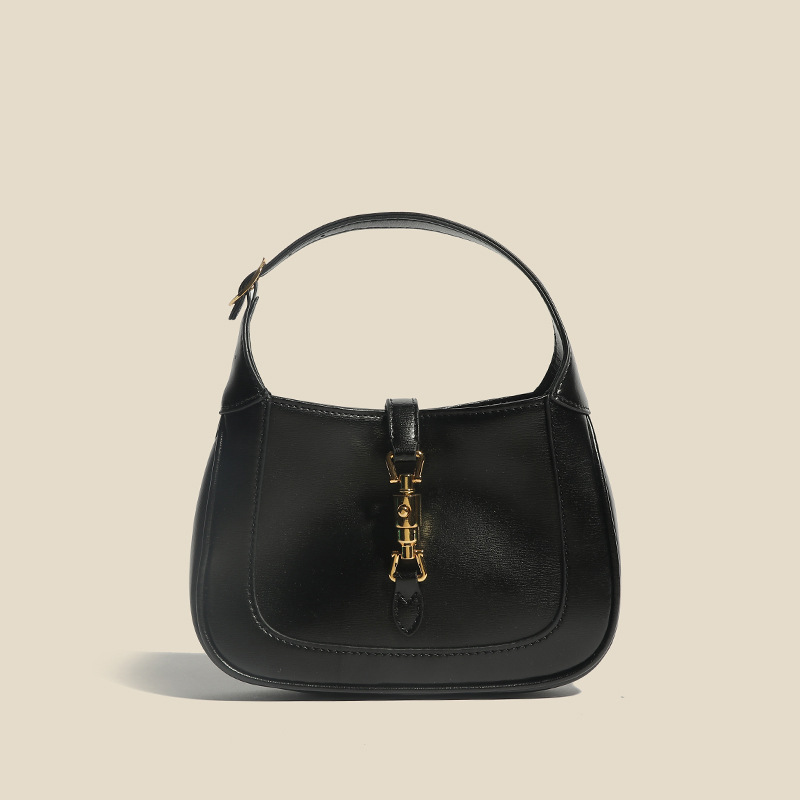
How to Tell a Real Gucci Handbag in 2026

Knowing how to tell a real Gucci handbag is not about finding one magic detail. A convincing fake can have a serial number, dust bag, receipt, QR-style tag, and even a copied-looking card. The safest way to authenticate a Gucci bag is to inspect several details together: the seller, price, exterior logo, interior label, serial number, canvas or leather, stitching, hardware, zippers, chains, packaging, and model-specific construction.
This guide explains how to tell if a Gucci handbag is real, how to tell a real Gucci handbag from a fake, and what changes when you are checking a vintage Gucci bag. Use it as a practical inspection map before buying online or comparing a pre-owned Gucci bag in person.
Table of Contents
- Quick Answer
- Check the Seller and Price
- Inspect the Exterior Gucci Logo
- Check the GG Canvas or Leather
- Look at Hardware, Zippers, and Chains
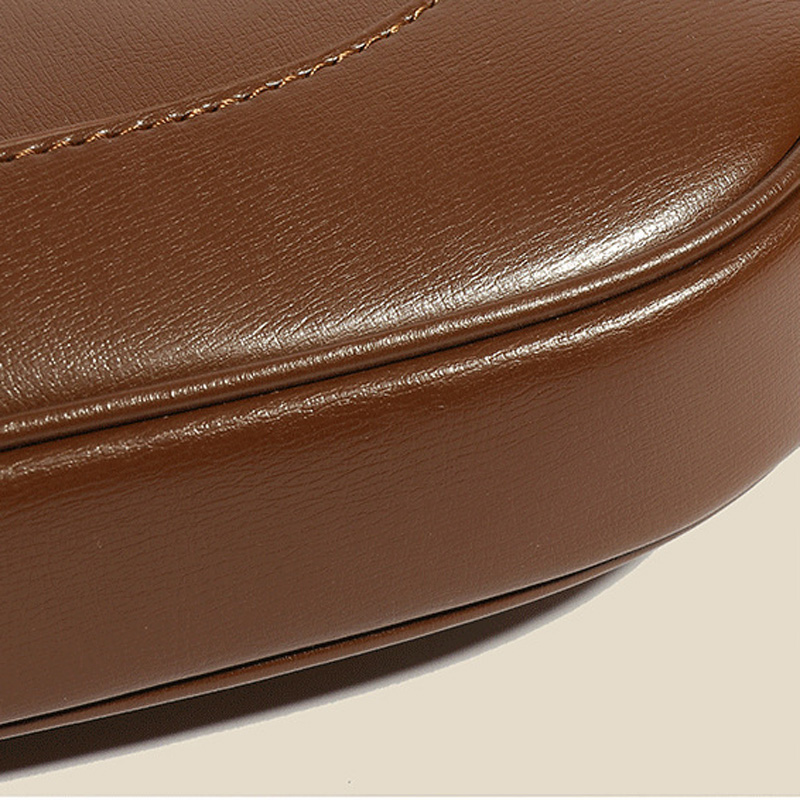
- Examine Stitching and Construction
- Read the Interior Leather Tag
- Understand Gucci Serial Numbers
- QR Codes, NFC Tags, and the Gucci App
- Dust Bag, Box, Receipt, and Controllato Card
- Vintage Gucci Bags
- Photos to Ask For Online
- When to Use a Professional Authenticator
- Real vs Fake Checklist
- FAQ
1. Quick Answer: How to Tell If a Gucci Handbag Is Real
A real Gucci handbag should feel consistent from every angle. The exterior logo should be clean and correctly shaped, the material should feel substantial, the hardware should have weight, the stitching should be controlled, and the interior leather tag should show careful embossing rather than blurry stamping.
Most modern Gucci handbags have a leather tag with numbers on the back, often arranged in two rows. However, a serial number alone does not prove authenticity. Counterfeiters can copy number formats, packaging, dust bags, and cards, so every detail must be checked together.

|
Authentic:
|
Fake:
|
2. Check the Seller and Price First
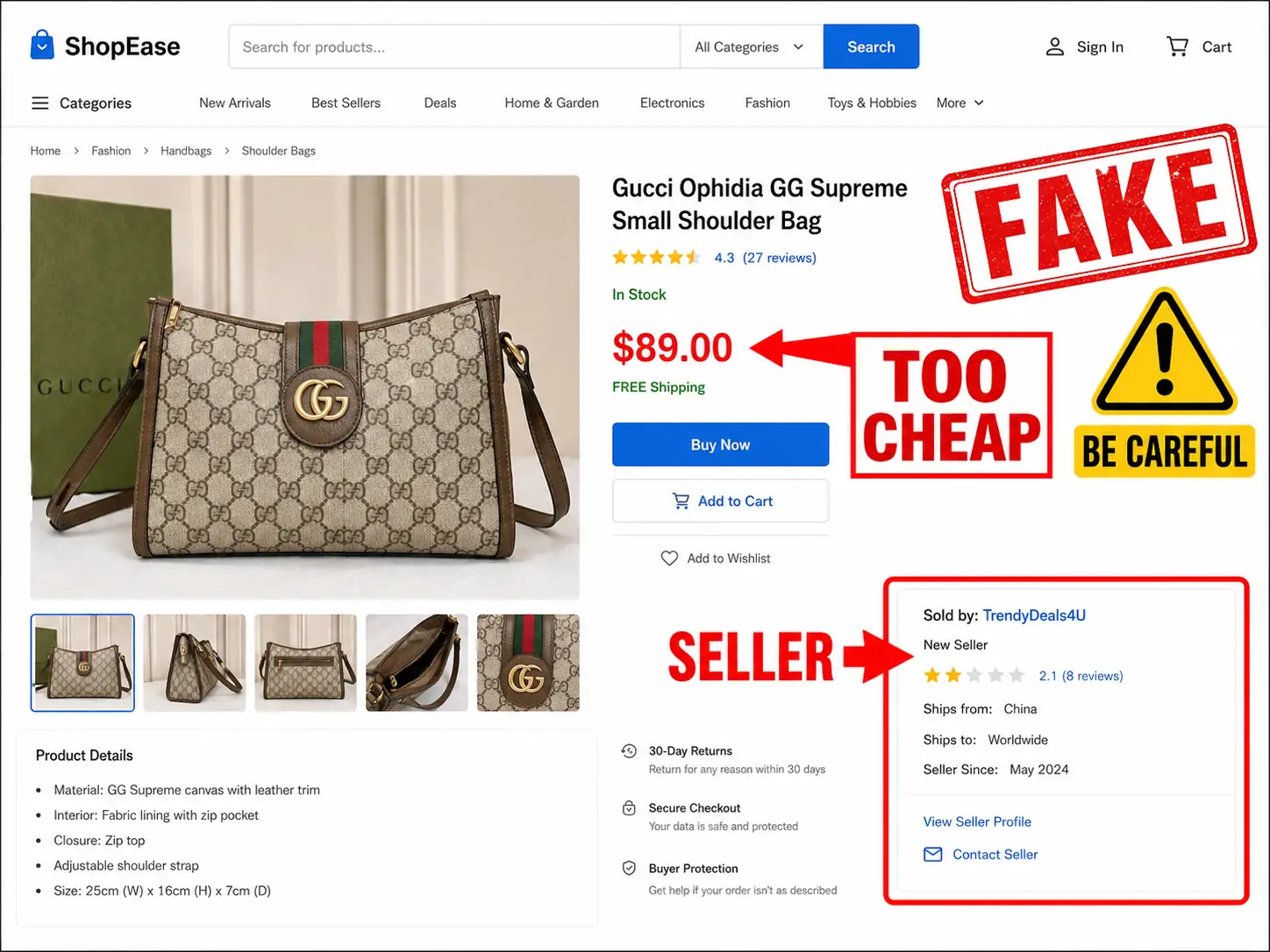
Before studying the logo, check the seller. A trustworthy listing should include clear photos of the front, back, bottom, corners, handles, hardware, zipper, lining, interior tag, and serial number area. A seller who refuses close-up photos is a red flag.
Price also matters. A fake can be expensive, and a real pre-owned bag can be discounted, but an unusually low price on a popular Gucci model should make you slow down. If the listing looks rushed, the seller has no history, the return policy is unclear, or the price is far below the normal resale range, inspect everything carefully before paying.
|
Authentic seller signs:
|
Fake listing signs:
|
3. Inspect the Exterior Gucci Logo and Wordmark
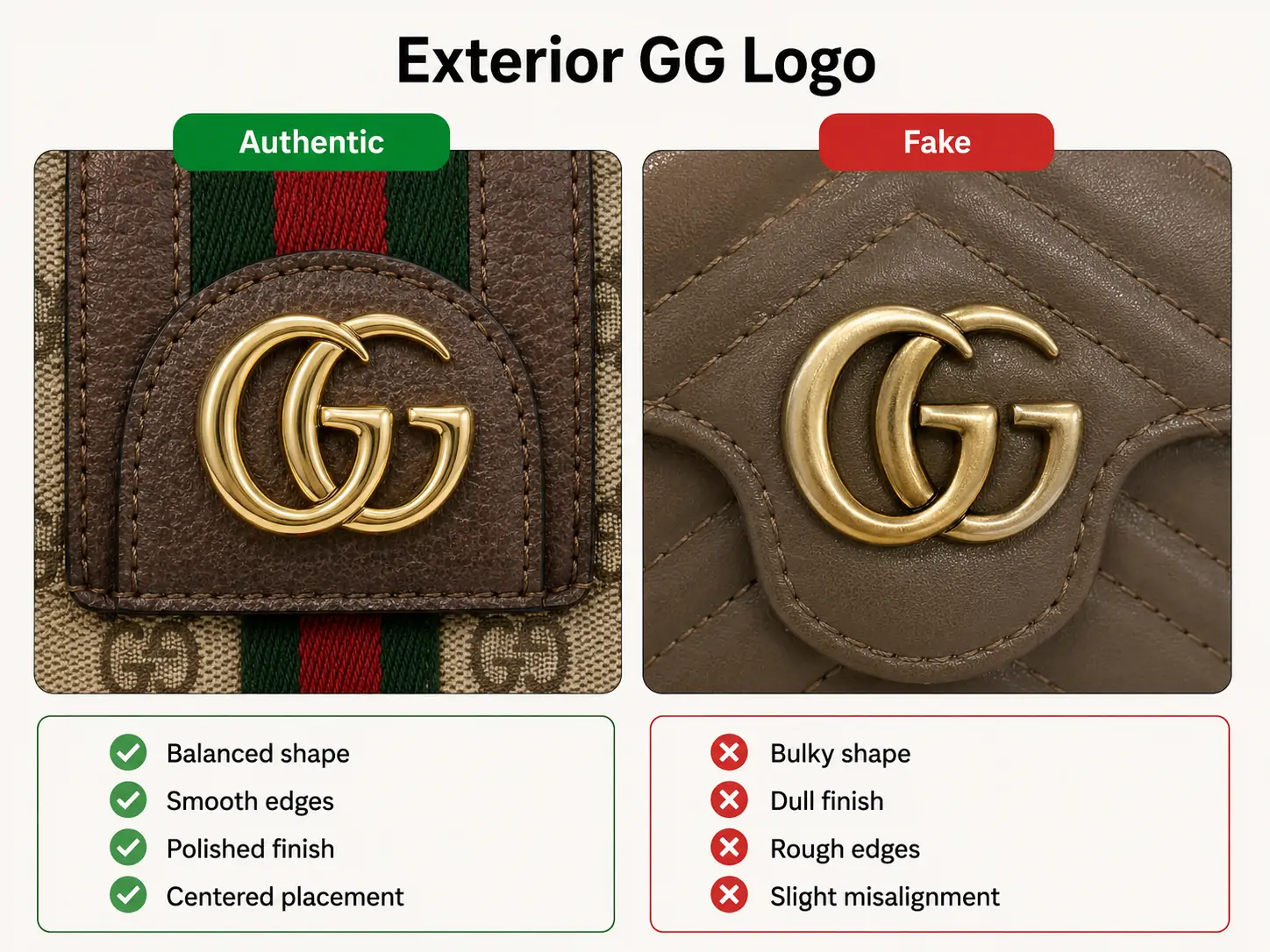
For many Gucci bags, the exterior Double G logo is one of the first details people notice. The logo should not simply look “close enough.” On authentic pieces, the shape, spacing, shine, edge finish, and placement should look intentional and balanced.
Check the curve of each G, the thickness of the metal, the smoothness of the edges, and whether the logo sits centered on the flap or leather patch. The finish should match the bag model. On fake bags, the exterior GG logo may look too bulky, dull, yellow, rough, slightly tilted, or poorly placed.
|
Authentic:
|
Fake:
|
4. Check the GG Canvas or Leather
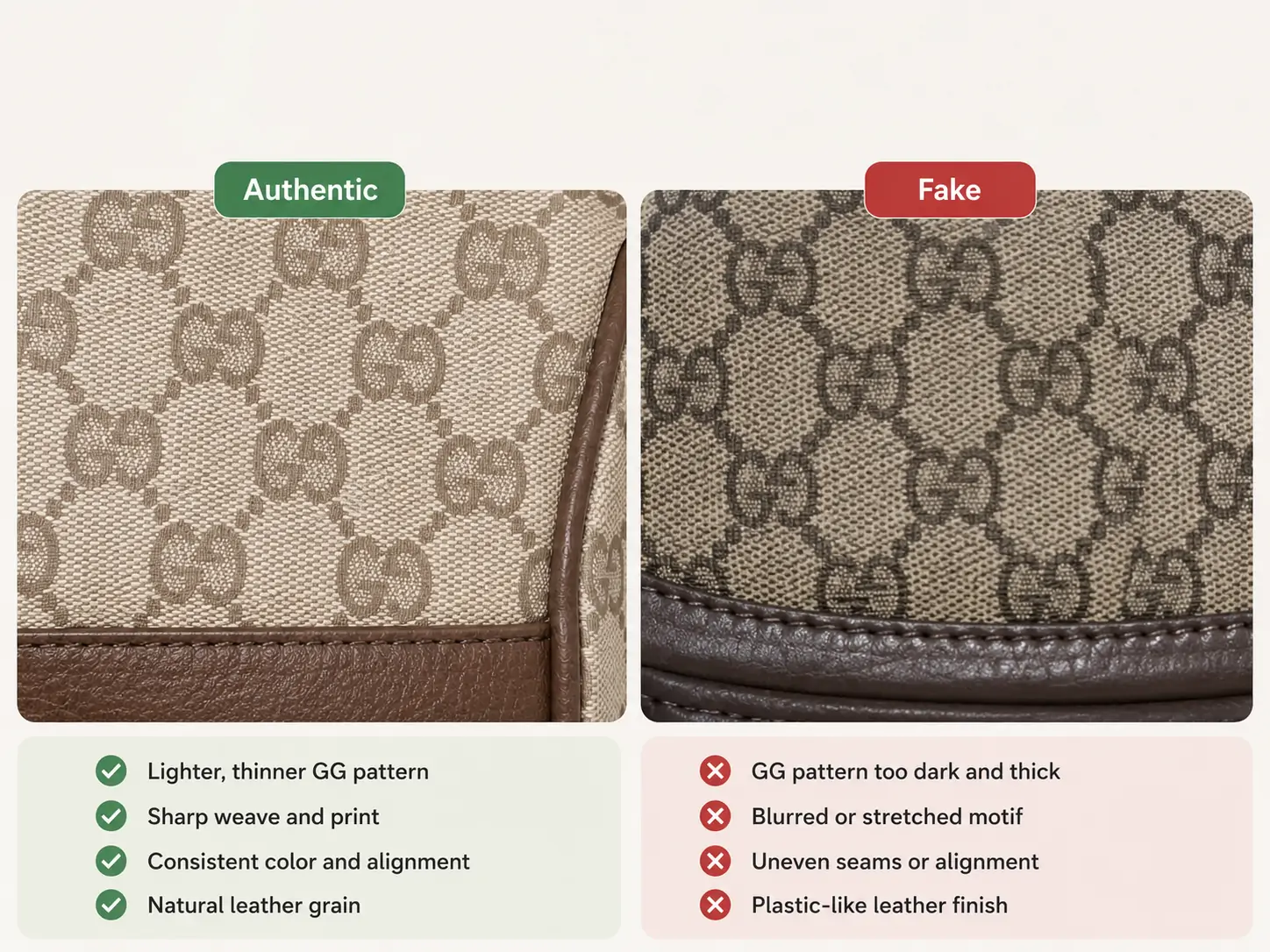
For GG canvas, inspect the print closely. The pattern should be sharp, the color should be consistent, and the motif should not look blurred, stretched, or overly dark. Also check how the pattern meets at seams and edges. Poor alignment can be a useful warning sign, especially around corners, pockets, flap edges, and side panels.
For leather bags, look at grain, flexibility, edge paint, and smell. Authentic luxury leather usually feels substantial and naturally textured. A harsh chemical smell, sticky coating, flat plastic-like shine, or stiff artificial texture can be a warning sign.
|
Authentic:
|
Fake:
|
5. Look Closely at Hardware, Zippers, and Chains
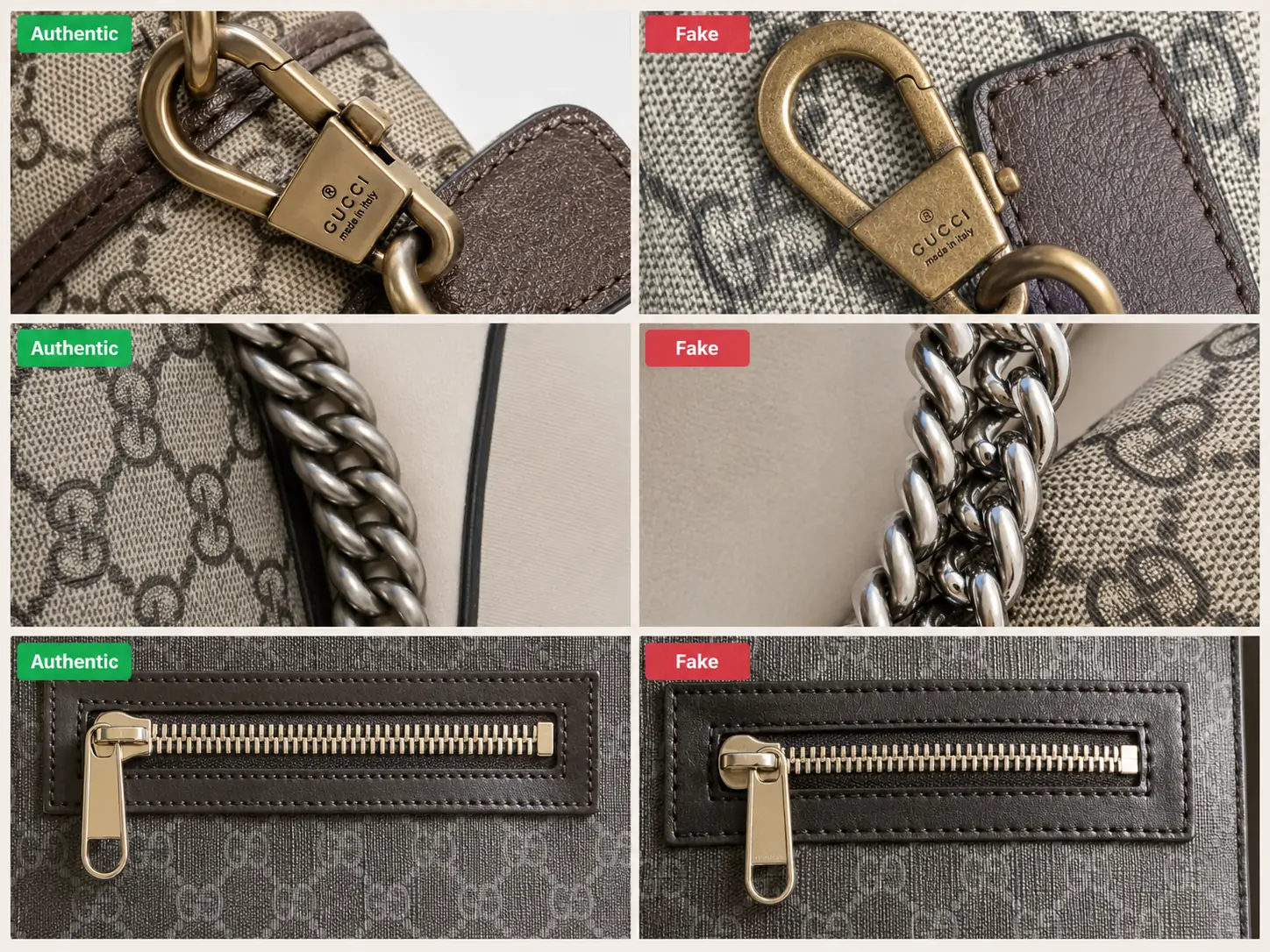
Real Gucci hardware should feel solid for the size of the bag. Engraving should be crisp, edges should be smooth, and the finish should match the model. Cheap yellow plating, rough clasp edges, shallow engraving, overly light chains, or inconsistent metal color are warning signs.
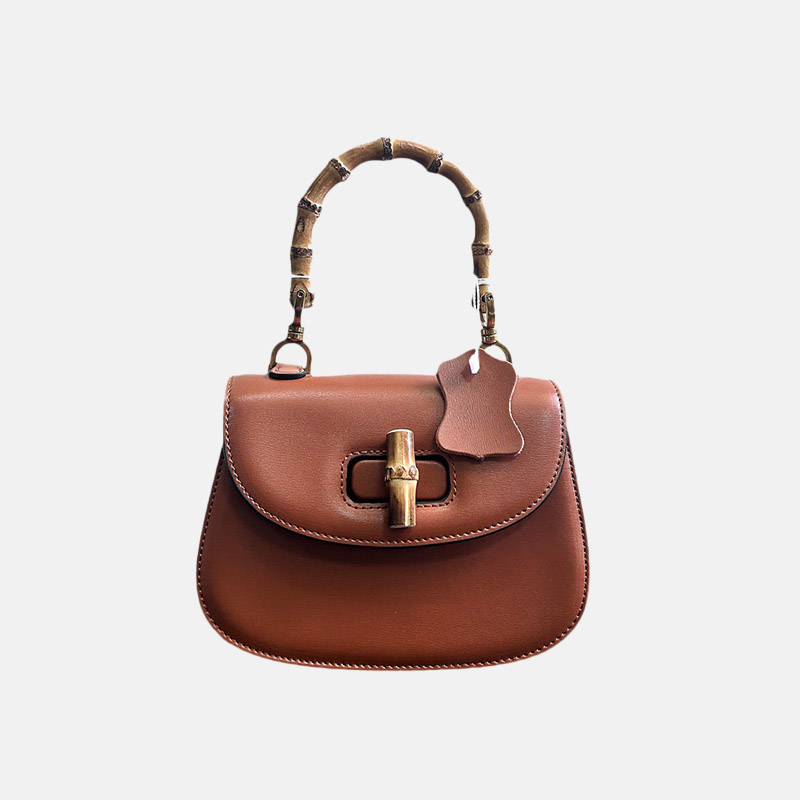
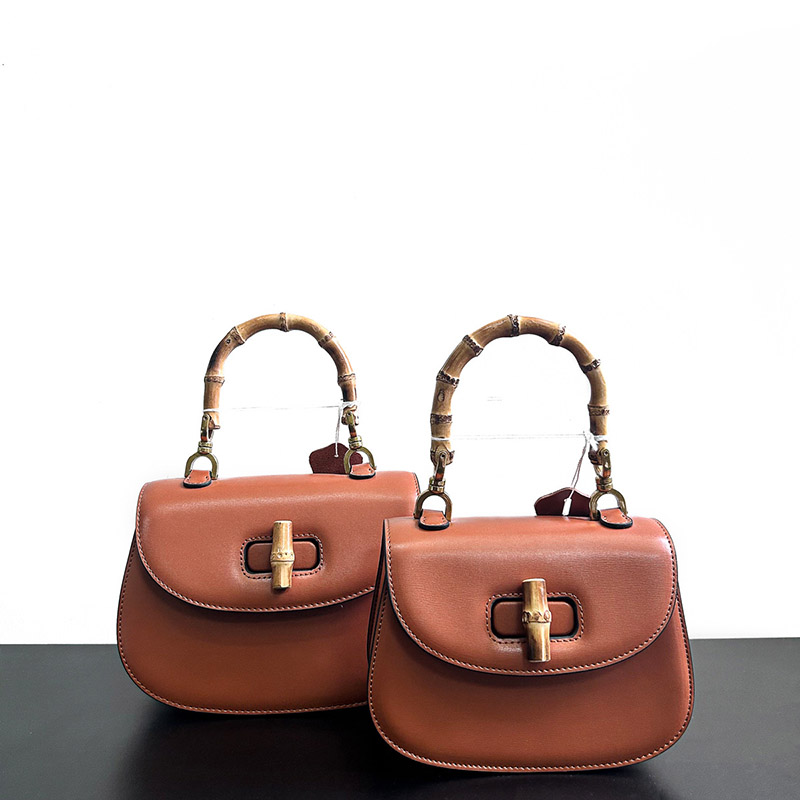
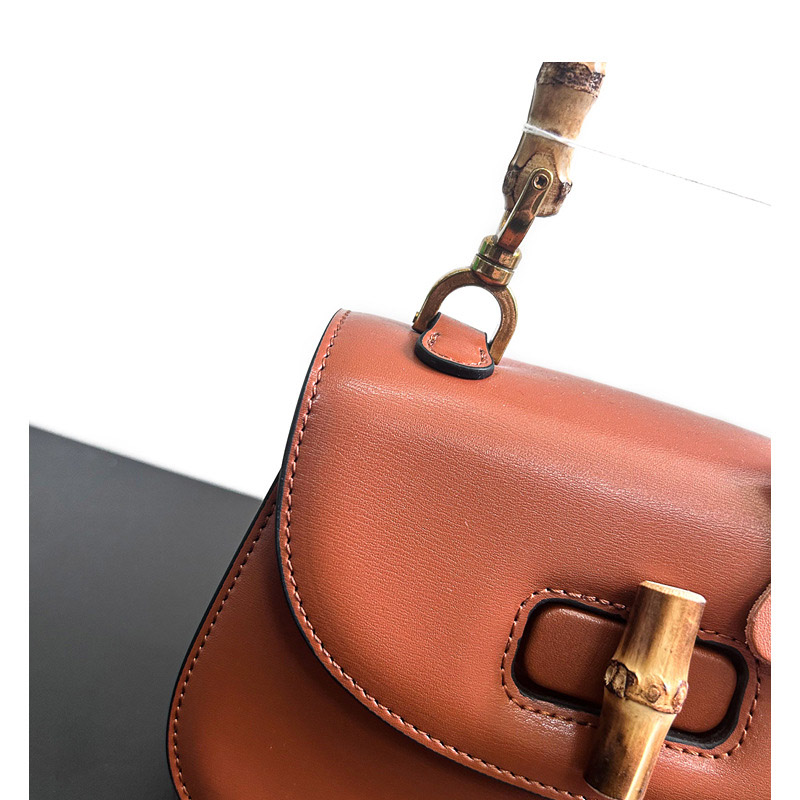
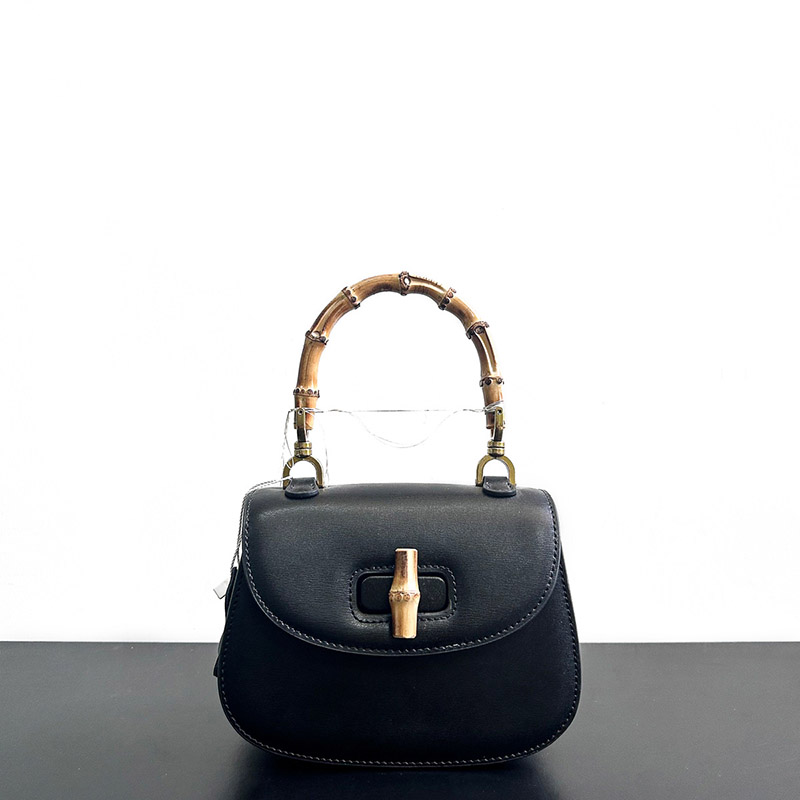
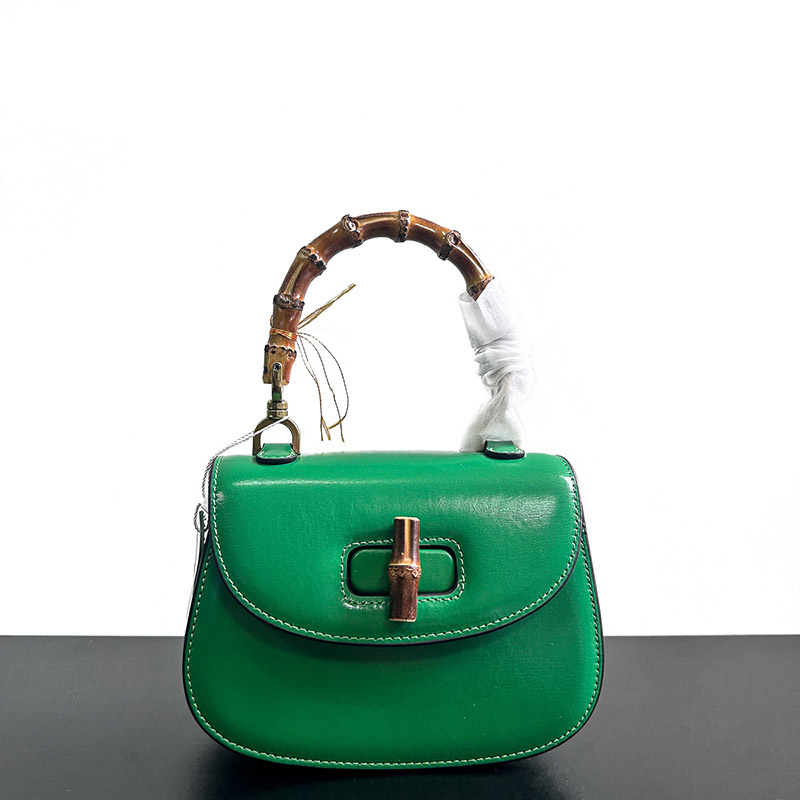
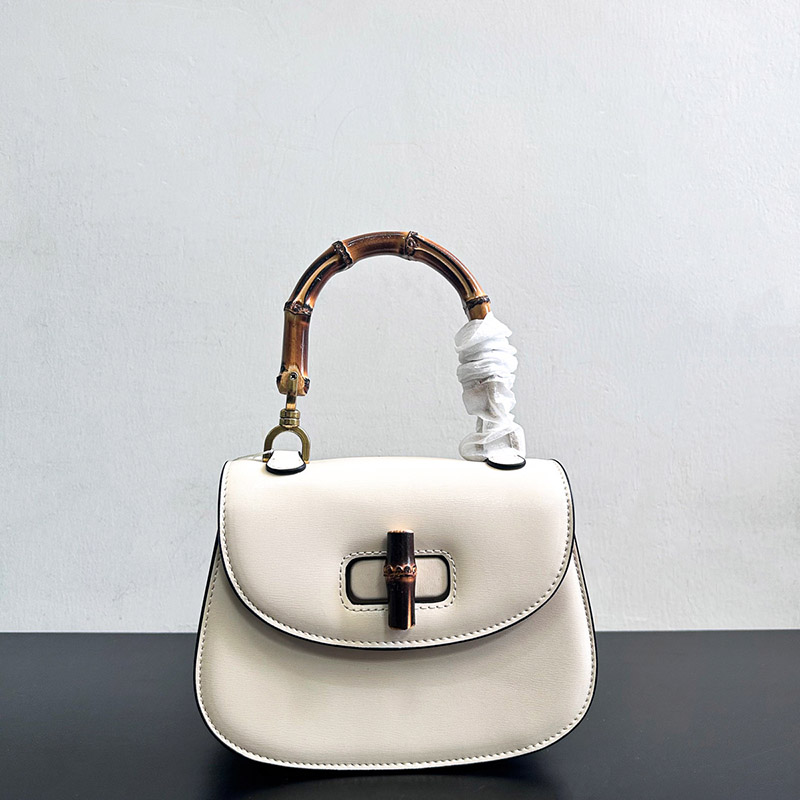
For a Marmont bag, the Double G hardware is important. For a Dionysus bag, the tiger-head closure deserves close inspection. For Bamboo or Diana-inspired designs, inspect the handle construction and hardware attachments. Also check zippers, zipper pulls, chain links, clasps, carabiners, pocket zippers, strap anchors, and handle bases.
|
Authentic:
|
Fake:
|
6. Examine Stitching and Construction
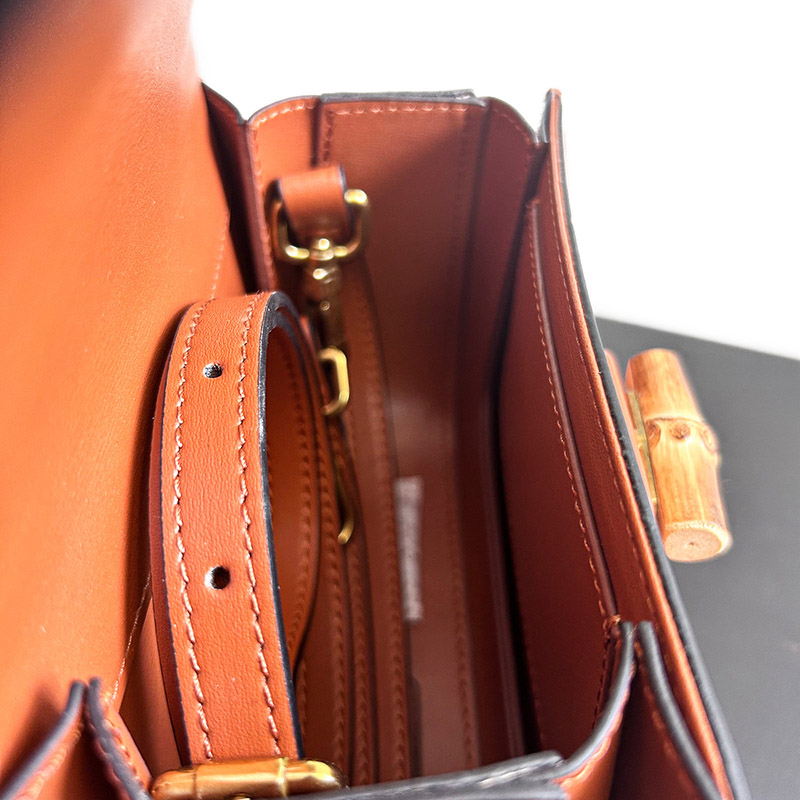
Stitching should look controlled. Focus on high-stress areas: handles, shoulder strap anchors, flap edges, side panels, corners, zipper pockets, strap tabs, and the base of the bag.
Fake Gucci handbags often show loose threads, uneven spacing, crooked rows, sloppy corners, or stitches that sink too deeply into thin material. Also check symmetry. A warped flap, uneven handle placement, twisted side panel, or messy corner construction can be a serious clue.

|
Authentic:
|
Fake:
|
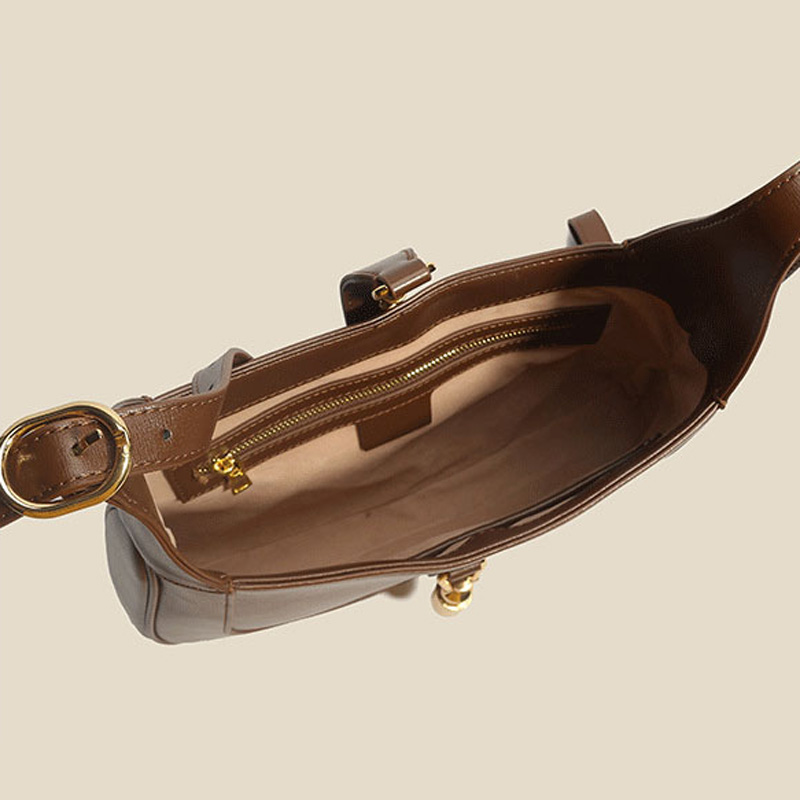
7. Read the Interior Leather Tag
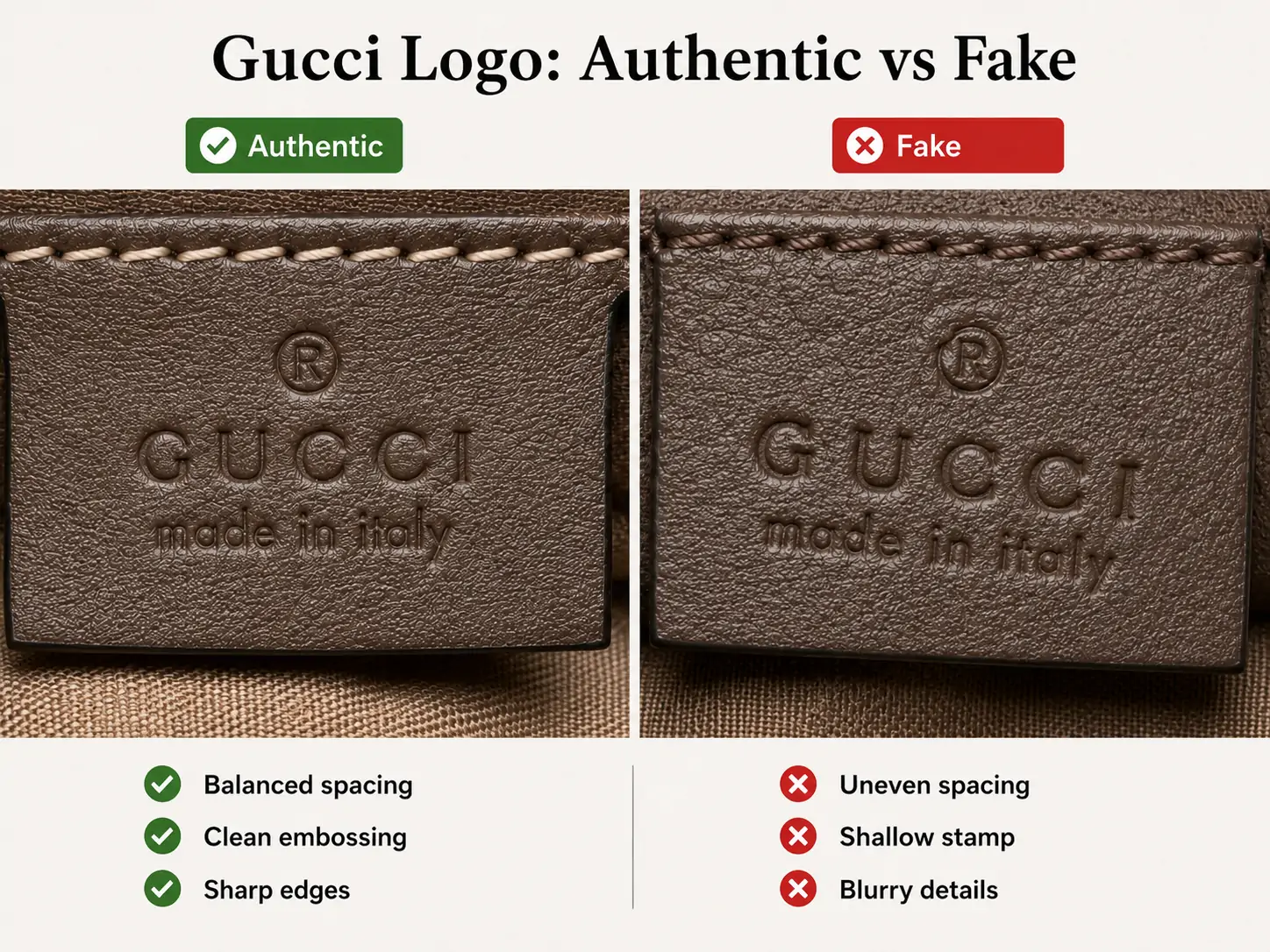
The interior leather tag is one of the most important authentication details. On many modern Gucci bags, the front of the tag shows the registered trademark symbol, the Gucci name, and “made in italy.” The tag should be neatly cut, correctly placed, and cleanly embossed.
Look closely at the stitching around the tag, the thickness of the letters, the depth of the stamp, and the leather quality. The lettering should not be randomly thin, shallow, stretched, crowded, or blurry. A fake tag may also have stitching that looks too long, too thin, too loose, or unevenly placed.
|
Authentic:
|
Fake:
|
8. Understand Gucci Serial Numbers
Many modern Gucci bags have numbers embossed on the back of the interior leather tag. These are often arranged in two rows. The top row is commonly associated with the style or model, while the lower row may relate to supplier or production information.
A serial number is useful, but it is not a certificate. Counterfeiters copy plausible number formats. Vintage Gucci bags may also follow different rules, so the number must be checked together with the tag, material, hardware, stitching, model shape, and era.

|
Authentic:
|
Fake:
|
9. QR Codes, NFC Tags, and the Gucci App
Some modern Gucci items include digital authenticity technology such as NFC-enabled tags that can be read through the Gucci App. However, this applies only to selected items, not every Gucci handbag.
Do not treat a QR code or NFC tag as the only proof. A fake bag can include a copied-looking code, and a real older bag may have no scannable feature at all. If a digital tag is present, inspect the print quality, label finish, code sharpness, and whether the result makes sense with the model and purchase story.

|
Authentic:
|
Fake:
|
10. Check Dust Bag, Box, Receipt, and Controllato Card
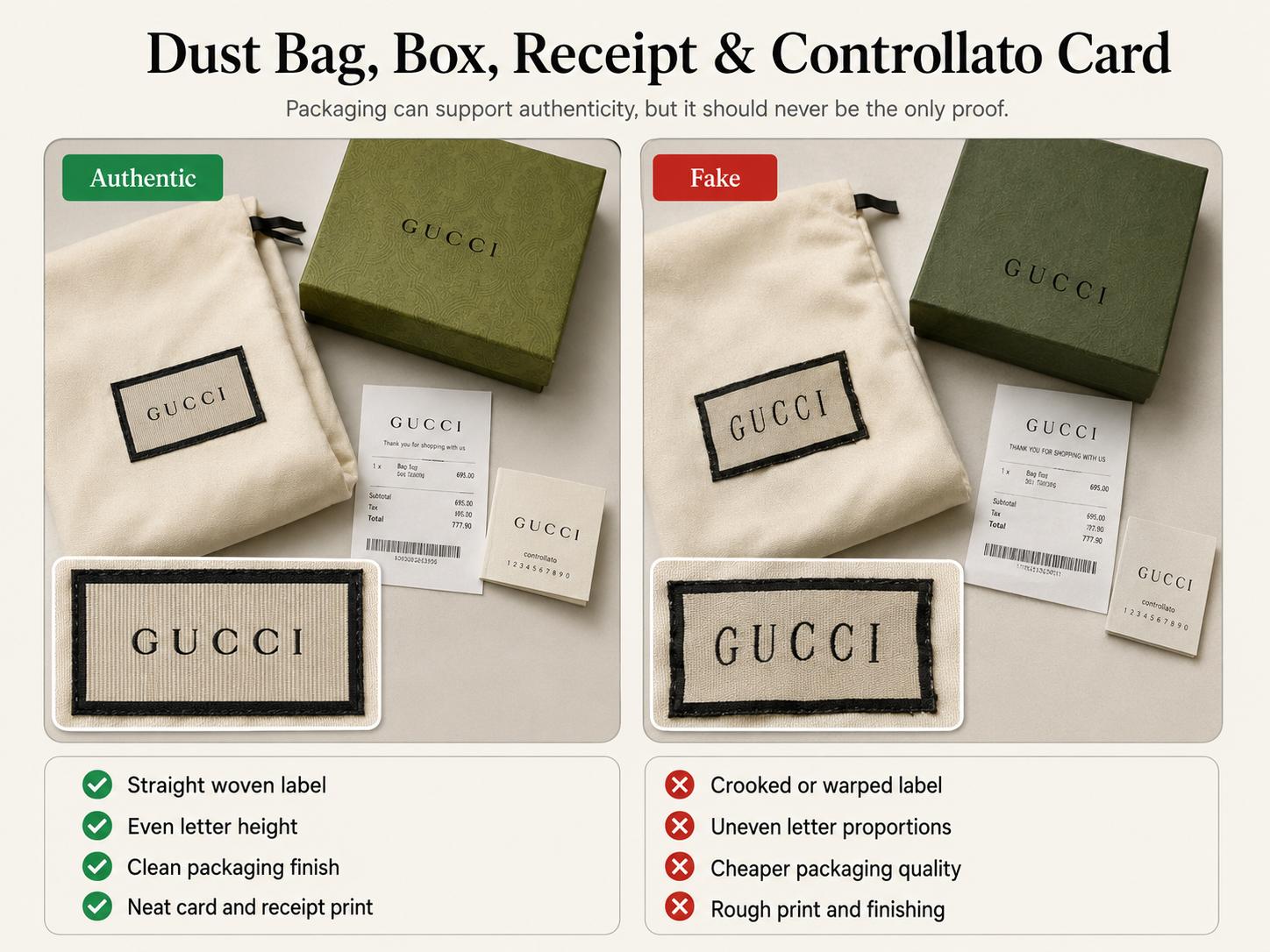
Packaging can support authenticity, but it should never be the main proof. Dust bags, boxes, shopping bags, ribbons, receipts, care booklets, and Controllato cards can be copied, swapped, or added to fake listings.
A Controllato card means the item was checked, but it is not a modern certificate of authenticity. If the bag itself looks wrong, packaging will not make it real. Pay special attention to the dust bag label, woven lettering, receipt print, box finish, and whether the packaging style makes sense for the model and era.
|
Authentic:
|
Fake:
|
11. Vintage Gucci Bags: What Is Different?
Vintage Gucci authentication requires more care because older bags may not match modern rules. A vintage Gucci handbag may have a different interior tag, number format, zipper type, lining, canvas feel, or hardware tone.
Compare the bag with examples from the same era. Look at natural wear on corners, handles, flap bends, and hardware contact points. Real aging usually appears where the bag would naturally be touched or rubbed. Fake aging can look too even, too dirty in random places, or inconsistent with how the bag is used.
|
Authentic vintage signs:
|
Fake vintage signs:
|
12. Photos to Ask For Before Buying Online
Ask the seller for daylight photos without heavy filters. You need the front, back, sides, bottom, corners, handles, strap anchors, zipper, clasp, logo hardware, interior lining, leather tag front, leather tag back, serial number area, dust bag, and receipt if available.
If the seller only shows beautiful front-facing photos, do not rely on them. Fakes often look more convincing from a distance. Authentication depends on close-up details, especially the tag, serial number, hardware engraving, stitching, zipper pocket, corners, and chain links.
|
Good listing photos:
|
Risky listing photos:
|
13. When to Use a Professional Authenticator
Use a professional authenticator when the bag is expensive, vintage, rare, heavily repaired, missing clear documentation, or being purchased from an unfamiliar seller. Authentication is also worth it when details conflict, such as a plausible serial number paired with lightweight hardware or poor stitching.
A professional opinion is especially helpful for vintage Gucci because older production details can vary. Do not rely on one detail such as a receipt, controllato card, QR tag, or serial number if other parts of the bag do not look right.
|
Use expert help when:
|
Do not rely only on:
|
14. Real Gucci vs Fake Gucci Checklist
| Checkpoint | Real Gucci Usually Shows | Fake Gucci Often Shows |
|---|---|---|
| Seller | Clear photos, selling history, reasonable price, return policy | Vague listing, rushed sale, too-cheap price, few photos |
| Exterior logo | Balanced shape, smooth edges, polished finish, centered placement | Bulky shape, dull finish, rough edges, slight misalignment |
| Canvas or leather | Sharp pattern, consistent color, natural leather grain | Blurred print, dark thick motif, plastic-like leather texture |
| Hardware | Good weight, crisp engraving, smooth metal edges | Lightweight metal, rough edges, cheap plating, shallow text |
| Zipper and chains | Controlled chain shine, clean zipper teeth, neat pocket construction | Overly shiny chains, thick zipper stitching, rough or uneven pull tabs |
| Stitching | Even spacing, straight rows, clean corners, consistent thread depth | Loose threads, crooked rows, popped stitches, sloppy construction |
| Interior tag | Clean embossing, balanced letters, neat placement | Blurry stamp, thin text, crooked tag, long loose stitching |
| Serial number | Thin clean numbers, two even rows, crisp embossing | Numbers too thick, overly deep stamp, uneven spacing |
| QR or NFC tag | Clean print, sharper code, consistent label finish when present | Blurrier print, rough code edges, copied-looking tag |
| Packaging | Straight woven label, clean packaging finish, neat print | Crooked label, uneven letters, cheaper packaging quality |
FAQ
Can I check a Gucci serial number online?
No public Gucci database lets shoppers type in a serial number and receive a guaranteed authentication result. Use the serial number as one clue, not final proof.
Do all real Gucci bags have QR or NFC tags?
No. Some modern Gucci items have digital tag technology, but not every real Gucci handbag has a QR or NFC feature.
Is a Controllato card proof that a Gucci bag is real?
No. A Controllato card is supporting packaging, not a certificate of authenticity. It can be copied, swapped, or added to a fake listing.
How do I tell if a vintage Gucci handbag is real?
Compare the bag with examples from the same era. Vintage Gucci bags can have different tags, zippers, linings, and number formats from modern bags.
What photos should I ask for before buying a Gucci bag online?
Ask for the front, back, sides, bottom, corners, handles, strap anchors, hardware, zipper, lining, leather tag front and back, and serial number area.